
Sacred Contradictions: When Fire Both Blesses and Burns
- 88gato88
- Jul 29, 2025
- 2 min read
by Lori Wilson
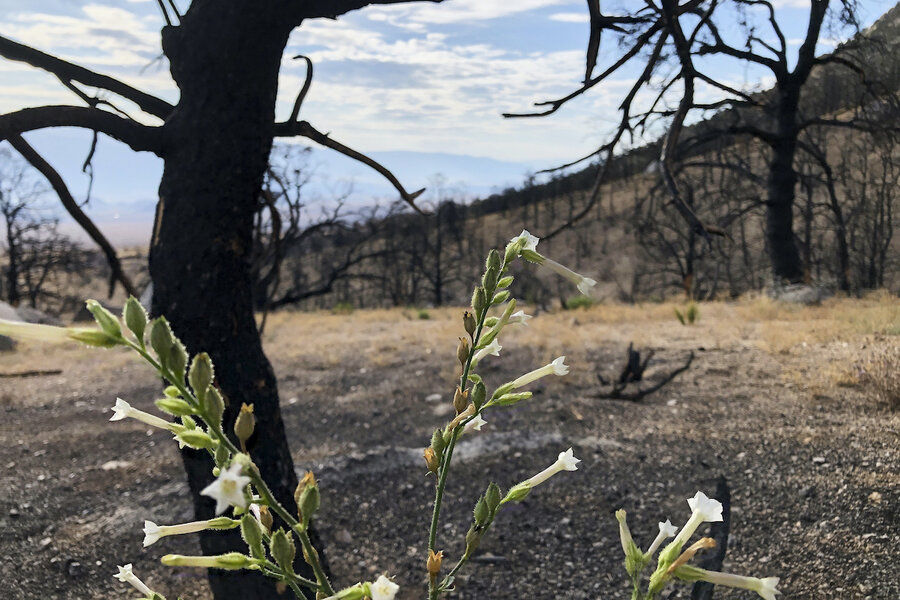
Stepping outside this morning, I immediately noticed a heaviness in the air. What appeared to be light fog revealed itself as something more ominous—smoke from distant wildfires, carrying with it warnings for those with sensitive lungs that the air quality was unsafe.
Fire presents us with one of life's most profound contradictions.
In the early church, we believed that incense carried our prayers heavenward as it rose. Even now, the scent of incense transports me to the holy—to memories of being surrounded by people who believed with their whole being that God was present among us. That same smoke, however, can harm me. Living with asthma, I must be careful with my lungs, protective of my breathing.
Fire destroys vast stretches of land. Uncontrolled, it can consume towns, homes, and entire lives. Yet fire is also what we depend on for light, for warmth, for nourishment. We need that spark to ignite our cars, our grills, our stoves—the very tools that sustain our daily existence.
I'm reminded of Holy Saturday, when we bless the new fire and carry that flame into the darkened church. The fire pierces the darkness, becoming a visible sign of God's presence among us, of resurrection breaking into our world.
Our lives are filled with such contradictions. Context shapes how we experience these elements—coloring our thoughts, feelings, and memories. What if we learned to contemplate the "both/and" nature of most things? The holy and the good can coexist with the destructive.
Perhaps both sides offer pathways to transformation and wholeness. The burnt forest, devastated and seemingly lifeless, eventually gives way to new growth. Yes, it takes years, but renewal is always possible.
For Reflection:
What contradictions are you holding in your life right now?
Where do you see both destruction and potential for new life?
How might God be present in both the difficult and the life-giving aspects of your current experience?
What would it mean to embrace the "both/and" rather than needing to resolve the tension?


Comments